
The Death of the Static Job Description
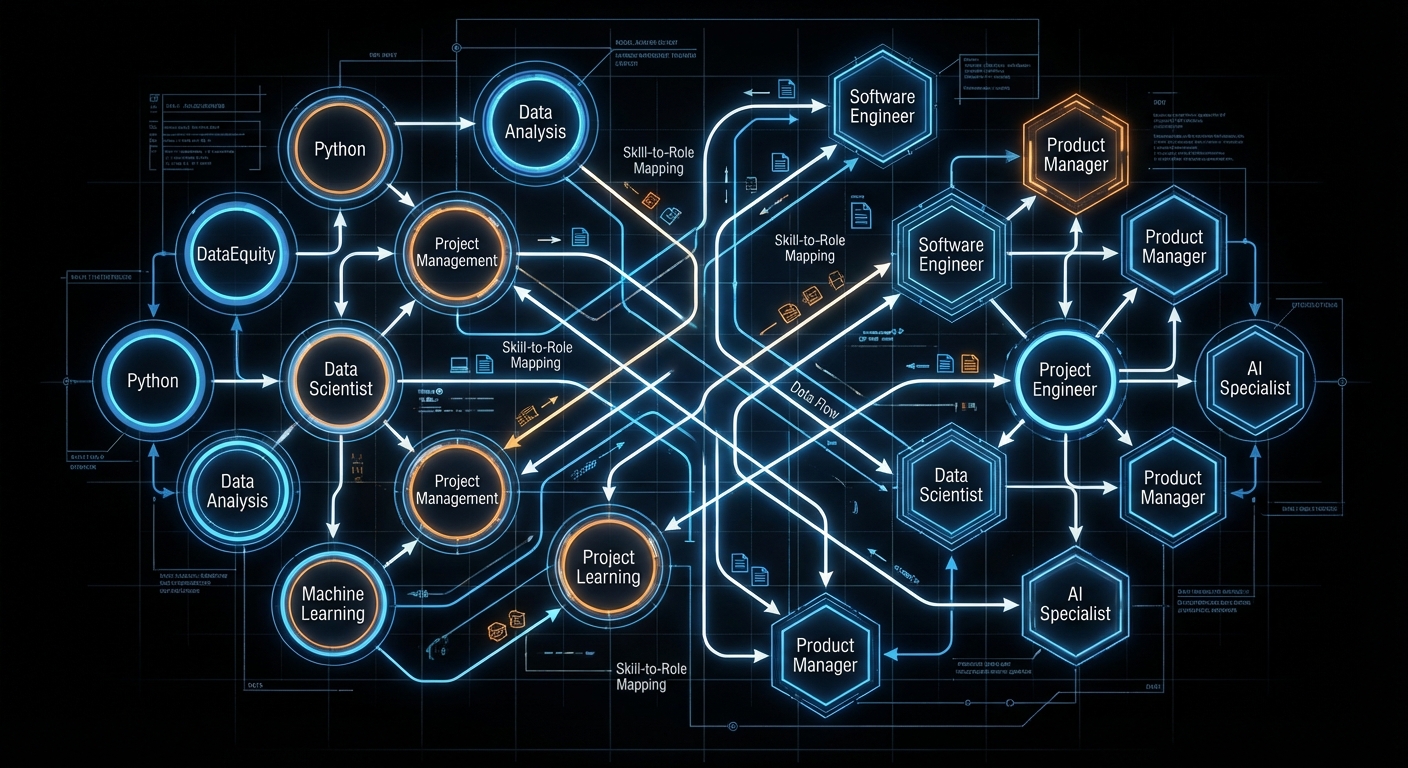
I spent the early 2000s coding payroll modules where a job description was a hard-coded field in a database. It was static, monolithic, and safe. Those days are dead. With Cornerstone’s unveiling of Galaxy AI and the deep integration of SkyHive’s labor market data, we have officially entered the era of fluid workforce architecture. The announcement claiming 51,000 skills mapped to 250 million roles isn’t marketing fluff; it’s the new baseline for survival.
Most HR Directors I meet in Casablanca or Dubai are still trying to manage talent using Excel sheets and static job titles. They are fighting a nuclear war with sticks and stones. The new “Cornerstone Transform” offering proves that the market has shifted from “managing” talent to “predicting” it. If your system cannot ingest real-time labor market intelligence to tell you that your Java Developers need to learn Python and LLM architecture within six months, your system is obsolete.
We must stop designing HR architectures based on what people are (titles) and start designing them based on what people can do (skills). This transition requires a violent restructuring of data schemas. It means moving from legacy ERPs to agile, AI-native ecosystems. It is painful, expensive, and absolutely necessary. The organizations that thrive in 2026 will be the ones that view their workforce not as a hierarchy of titles, but as a dynamic graph of evolving capabilities.